
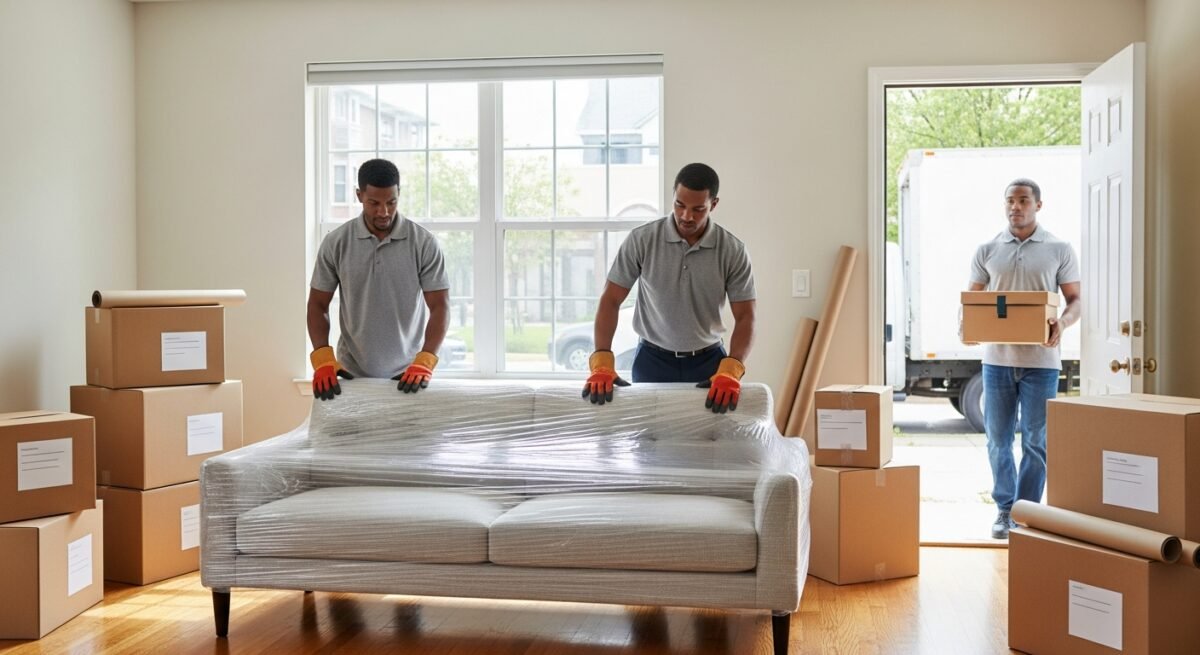
Apartment Moving Guide From Packing to Moving Day
Packing to moving day made simple: get a step-by-step plan to reduce stress, protect your items, and settle in faster.

By Rachel Clark
Moving apartments can feel like a whirlwind of bubble wrap, cardboard boxes, and mounting to-do lists. But with a clear plan, you can transform chaos into a streamlined process. This apartment moving guide from packing to moving day walks you through every step, from the first box to the final key handoff. Whether you are a first-time renter or a seasoned mover, the strategies below will help you move apartment efficiently, protect your belongings, and keep your sanity intact.
Start With a Detailed Moving Plan
The key to a stress-free move is starting early. Ideally, begin planning four to six weeks before your moving date. This gives you ample time to declutter, gather supplies, and book services without last-minute panic. Begin by creating a master checklist that covers every task, from changing your address to scheduling utility shutoffs.
One of the smartest moves you can make is to create a room-by-room inventory. Not only does this help you decide what to keep, but it also makes packing more organized. As you go through each room, sort items into three piles: keep, donate, and discard. This reduces the volume of items you need to pack, which saves time and money.
Another crucial element of planning is budgeting. Moving costs can add up quickly, so allocate funds for packing supplies, moving equipment, and potential professional help. If you are considering hiring movers, request quotes from at least three companies. In our guide on comparing packing and moving companies, we explain how to evaluate services and pricing to find the best fit for your needs.
Gather Packing Supplies and Tools
Having the right supplies on hand makes packing faster and safer. You will need a variety of box sizes: small boxes for heavy items like books, medium boxes for kitchenware, and large boxes for lightweight items like bedding. Invest in quality materials to protect your belongings during transit.
- Sturdy cardboard boxes in multiple sizes
- Packing tape and a tape dispenser
- Bubble wrap and packing paper for fragile items
- Markers and labels for box identification
- Furniture pads or blankets for large pieces
Beyond boxes, consider using wardrobe boxes for hanging clothes, which allow you to move garments without folding them. You can also use suitcases and duffel bags for clothing to save on buying extra boxes. For odd-shaped items like lamps or artwork, use specialized containers or wrap them generously in bubble wrap.
Don’t forget the small tools: scissors, a box cutter, and a permanent marker are essential. Keep them in a designated “first night” box so they are easily accessible when you arrive at your new place.
Master the Art of Packing Room by Room
Packing is often the most time-consuming part of moving. To stay organized, tackle one room at a time, starting with rooms you use least, like guest bedrooms or storage areas. Clearly label each box with its contents and the room it belongs to. This will make unpacking much easier.
For the kitchen, pack heavy items like pots and pans at the bottom of boxes, with lighter items on top. Use dish packs with dividers for plates and bowls, and wrap each item individually. To save space, place towels or paper towels between dishes instead of using excessive bubble wrap. Clearly mark boxes containing fragile items as “FRAGILE” and consider adding a “THIS SIDE UP” label.
In the bedroom, disassemble bed frames and label all hardware in a zip-top bag. Use wardrobe boxes for hanging clothes and seal them tightly. For dressers, you can leave clothes inside if they are not too heavy, but remove drawers if the dresser is large. Pack linens and towels in large boxes, and use them as padding for more fragile items.
Handle Fragile and Special Items With Care
Some belongings require extra attention. Artwork, mirrors, and electronics need special packing to prevent damage. For mirrors and picture frames, use cardboard corners and wrap them in bubble wrap. For electronics, use original boxes if possible, or pack them in sturdy boxes with plenty of cushioning.
For items like laptops, tablets, and important documents, keep them with you in a personal bag. This ensures they are not lost or damaged during the move. For large appliances or specialized items like a piano, consider hiring professionals who have the equipment and expertise to handle them safely.
If you have antique furniture or delicate valuables, you may want to use custom crating. This provides an extra layer of protection. Also, consider purchasing additional insurance for high-value items, as standard moving coverage may not fully compensate you for loss or damage.
Prepare Your Apartment for Moving Day
A few days before the move, prepare your old apartment. Defrost the refrigerator and clean it thoroughly. Disconnect and drain the washing machine if you are taking it with you. Remove all wall hangings and curtain rods. Make sure to have all boxes stacked neatly in each room, leaving clear pathways for movers.

If you are moving into a new building, check with the management about elevator reservations and any restrictions on moving times. Many apartments require a moving deposit or have specific loading dock rules. Knowing these details in advance prevents delays on moving day.
Also, pack a “first night” box with essentials: toiletries, a change of clothes, important documents, chargers, basic tools, and snacks. This way, you won’t have to dig through dozens of boxes just to find your toothbrush.
What to Do on Moving Day
On moving day, wake up early and do a final walkthrough of your apartment. Check closets, cabinets, and under the bed for forgotten items. Make sure all appliances are unplugged and doors are closed. If you have hired movers, communicate clearly about which items are fragile and where they should go in the new place.
As movers load the truck, keep a detailed inventory list. Note the condition of each box and any existing damage. This will be useful if you need to file a claim later. If you are moving yourself, follow a systematic loading plan: heavy items first, then lighter ones, and fill gaps to prevent shifting.
Once you arrive at your new apartment, direct movers to place boxes in the correct rooms. If you have a floor plan, mark each room with a post-it note to avoid confusion. Consider using a furniture slider to protect floors from scratches. After the truck is unloaded, do a quick inspection to ensure everything arrived in good condition.
Settling In and Unpacking Strategies
Unpacking can be just as overwhelming as packing, but a strategic approach helps. Start with the essentials: set up your bed, bathroom, and kitchen first. Unpack one box at a time, and break down empty boxes as you go to keep your space clear. This makes the process feel more manageable and gives you a sense of accomplishment.
When unpacking, think about the layout of each room. Place furniture first, then add decor and smaller items. Take your time with fragile items, and inspect them for damage as you unwrap them. If you find anything broken, document it with photos and contact your moving company or insurance provider immediately.
Finally, take a moment to celebrate your new home. Once the basics are in place, take a break and enjoy the space you’ve created. Moving is a big accomplishment, and you deserve to feel proud.
Frequently Asked Questions
How far in advance should I start packing for an apartment move?
Start at least three to four weeks before your move. Begin with items you use rarely, like seasonal decorations or off-season clothing, and gradually work your way to daily essentials. This approach keeps packing stress low and ensures you are not scrambling at the last minute.
Should I hire professional movers or do it myself?
It depends on your budget, time, and physical ability. Professional movers save you time and heavy lifting, and they often provide insurance. If you are moving long distance or have large furniture, hiring professionals is usually worth the cost. For a small local move with few heavy items, a DIY move may be more economical.
How do I protect my belongings during a move?
Use quality packing materials, pack items securely, and label boxes clearly. For fragile items, use bubble wrap and packing paper. Consider using furniture pads for large pieces. Additionally, check your moving company’s liability coverage and consider purchasing additional insurance for high-value items.
Final Thoughts
Moving apartments does not have to be a nightmare. With thoughtful planning, smart packing, and a clear strategy for moving day, you can minimize stress and protect your belongings. Remember to start early, stay organized, and don’t hesitate to ask for help when you need it. Whether you are moving across town or across the country, this apartment moving guide from packing to moving day gives you the roadmap to a smooth transition. For more tips and resources, explore our other guides at Moving.Homes and consider a free quote for professional moving services. Good luck with your move, and enjoy the new chapter in your life. Learn more